
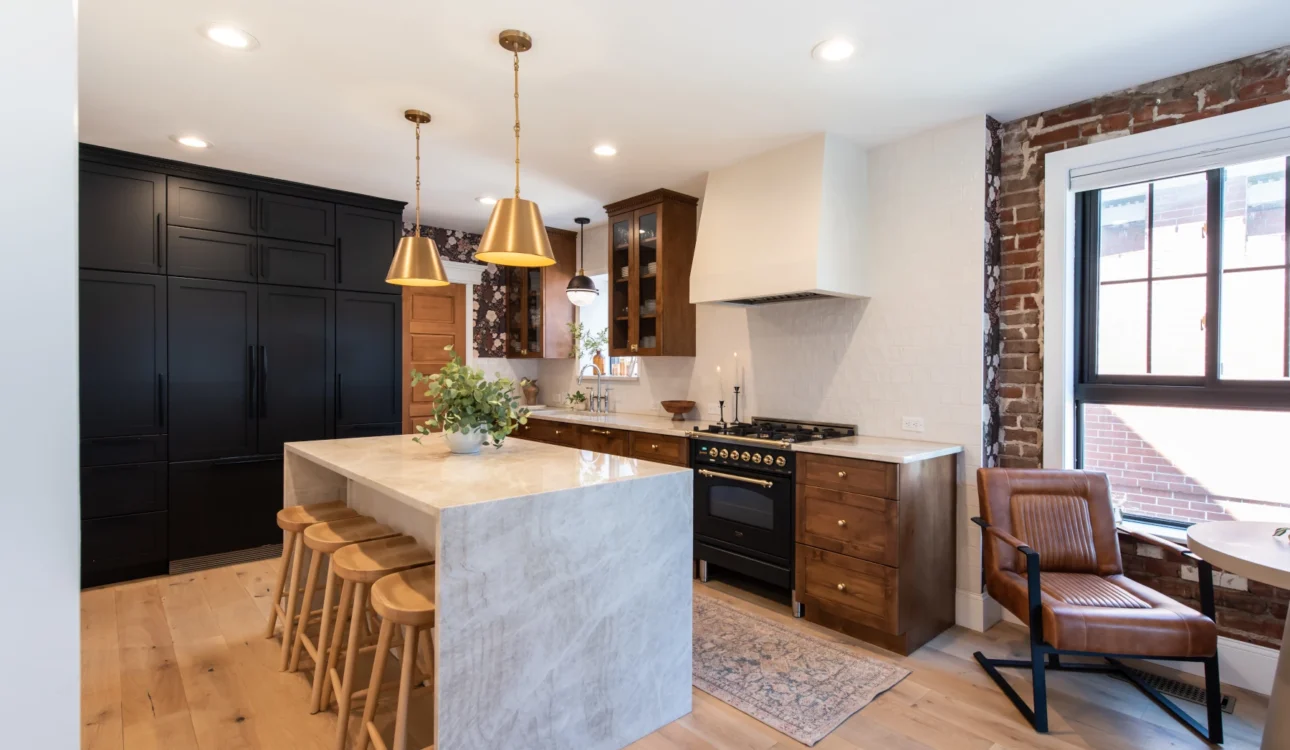
If you’ve been thinking about upgrading your kitchen, there’s a good chance the kitchen island is at the top of your list. And you wouldn’t be alone. In 2026, the island has become the single most-requested feature in kitchen remodels across the country, and for good reason. Today’s islands do far more than provide extra counter space. They anchor open-concept layouts, integrate appliances, accommodate seating for the whole family, and serve as the visual centerpiece of the entire room.
But here’s where things get interesting: the kitchen island has changed significantly in just the last few years. What was once a simple butcher block or a static cabinet on legs has evolved into a multi-functional, custom-designed feature that reflects how families actually live and cook. Homeowners in Denver are embracing this shift, investing in islands that are larger, smarter, and far more personalized than anything a stock kitchen could offer.
In this post, we’re walking through what’s driving the kitchen island revolution right now, what today’s best designs include, and how to think through the planning process so your investment pays off for years to come. Whether you’re starting a full kitchen remodel or looking to upgrade a single feature, understanding what makes a great island in 2026 is the place to start.
Why Kitchen Islands Have Become the Centerpiece of Modern Remodels
The shift in how we use our kitchens has driven the island’s rise to prominence. Open-concept floor plans have become the norm in Denver homes, especially in newer builds and renovated mid-century ranches. When there’s no wall separating the kitchen from the living and dining areas, the island becomes the natural boundary, the gathering point, and the design statement all in one.
According to 2026 kitchen island trends from Homes and Gardens, nearly half of all renovated islands in current remodels now exceed seven feet in length, and homeowners are integrating more features into them than ever before. This isn’t just about style. It’s about function. Families want a kitchen that works as hard as they do, and the island is where that functionality gets built in.
There’s also a lifestyle element at play. The kitchen has become the true social hub of the home. People gather around the island while meals are being prepared. Kids do homework there. Guests pull up a barstool during dinner parties. When the island serves all of these purposes well, the whole home feels better. That shift from kitchen as workspace to kitchen as gathering place is exactly why so many Denver homeowners are prioritizing the island when they remodel.
Getting the Size and Spacing Right
One of the most common mistakes homeowners make when designing a kitchen island is going too large for the space. More square footage doesn’t automatically mean a better island. Proportion, clearance, and workflow matter just as much as surface area, and getting those details right is what separates a beautiful island from one that creates daily frustration.
The National Kitchen and Bath Association recommends a minimum of 42 inches of clearance on all sides of an island in a single-cook kitchen, with 48 inches preferred in kitchens where two or more people cook together. This kitchen island size and spacing guide breaks down these dimensions in detail, including how to account for seating overhangs, appliance swing clearance, and traffic flow patterns around the main cooking zones.
At Elite Cabinetry and Granite, our design consultations always start with measuring the actual space and mapping the kitchen’s work triangle before we ever discuss island features or finishes. This step is non-negotiable. A beautifully designed island that blocks traffic or crowds your range will undermine the kitchen’s function every single day. Getting the layout right first gives you the freedom to design confidently from there, and it ensures that every dollar you put into the island is working for you, not against you.
Built-In Features That Make Your Island Work Harder
Once the size and placement are locked in, the real design work begins. Modern kitchen islands are built to do much more than provide a prep surface, and the features homeowners are requesting in 2026 reflect a genuine desire for kitchens that are organized, efficient, and enjoyable to use every single day.
Integrated Appliances
Built-in appliances are now standard in high-performing island designs. Microwave drawers eliminate the need for a bulky countertop unit. Dishwasher drawers positioned in the island make cleanup effortless when the sink is also island-mounted. Beverage refrigerators and wine coolers have become popular additions for homeowners who entertain frequently. According to a roundup of trending kitchen island ideas for remodels, integrating these features directly into the island cabinetry keeps appliances accessible without cluttering the kitchen’s perimeter walls.
Custom Storage Solutions
Storage is where custom cabinetry truly shines. Stock island cabinets typically offer basic shelf and drawer configurations that weren’t designed with your kitchen, your cookware, or your habits in mind. A custom-built island gives you the ability to design storage specifically around how you cook and what you own. Deep pot drawers, vertical tray dividers, built-in spice pull-outs, concealed trash and recycling centers, and dedicated device charging stations are all options that can be incorporated seamlessly when the island is built to order. The result is a kitchen where everything has a place and nothing is fighting for counter space.
Seating Zones
Seating is no longer an afterthought. Today’s islands are designed from the start with seating in mind, and that changes everything from the overhang depth to the height of the island itself. Counter-height islands at 36 inches work well with counter stools and feel more accessible for families with young children. Bar-height islands at 42 inches accommodate taller bar stools and can create a more dramatic, defined seating area. The choice depends on the look you want and how the island will be used most. Whatever height you choose, planning for seating at the outset ensures the overhang, knee clearance, and structural support are all built correctly from day one.
Materials and Finishes: Making Your Island the Visual Anchor
The island is often the one place in the kitchen where homeowners feel comfortable making a bold design statement. Because it’s a distinct element rather than part of the continuous perimeter cabinetry, it’s natural to treat it differently. And the best kitchen designs in 2026 do exactly that.
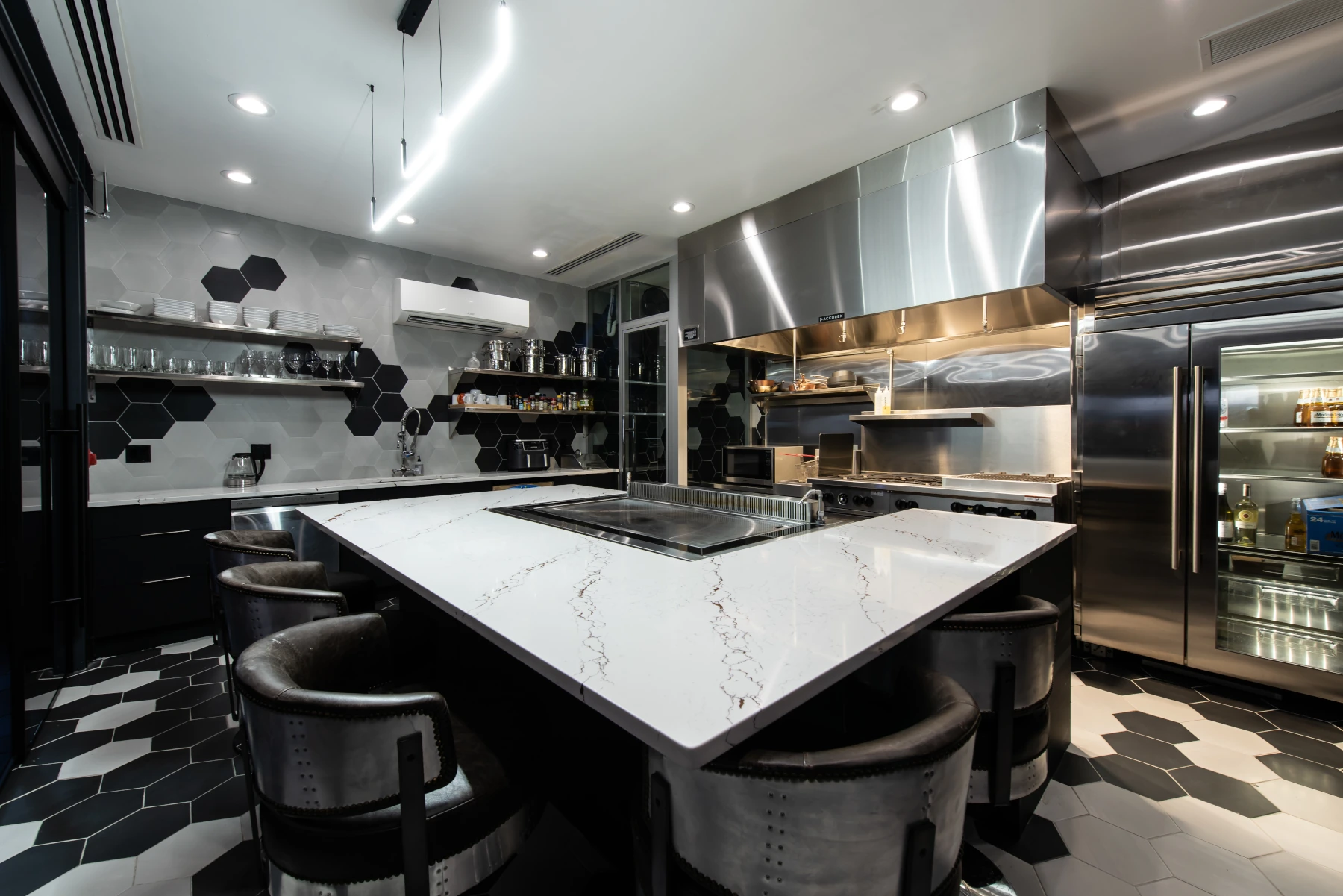
Two-tone kitchens remain a strong trend this year, with perimeter cabinets in a soft neutral and the island in a richer, contrasting finish. Deep navy, forest green, charcoal, and warm wood tones are all popular island choices that add visual depth without overwhelming the space. If you’re exploring how how to design a kitchen island with contrast and cohesion working together, Houzz has a thorough overview of the design principles top professionals are using right now.
For countertop surfaces, the island gives homeowners the opportunity to use a more dramatic stone than they might choose for the full perimeter. A statement quartzite waterfall edge, a thick slab of leathered granite, or a book-matched marble surface can each anchor the island as the kitchen’s focal point. At Elite, our in-house fabrication capabilities mean we source and cut natural stone specifically for your island dimensions, with precision that a prefabricated countertop simply can’t match.
Warm wood tones have also made a significant comeback in island design this year. Whether it’s a solid oak island base paired with painted uppers or a walnut-faced cabinetry base beneath a stone top, natural wood brings warmth and texture that softens an otherwise sleek kitchen. This pairing works especially well in Colorado homes that lean into organic, earthy design palettes inspired by the surrounding landscape. It’s a look that feels current nationally and deeply connected to the Front Range aesthetic at the same time.
Planning Your Kitchen Island Remodel: What to Expect
For homeowners approaching a kitchen island upgrade as part of a larger remodel, it helps to understand where the island fits in the overall project timeline. The island design is typically finalized during the cabinetry planning phase, since the island cabinets are built and installed alongside the perimeter cabinetry. Any plumbing or electrical work needed for a sink, dishwasher, or built-in appliances needs to be mapped out early so rough-in work can happen before flooring and cabinets go in.
For homeowners considering adding an island to an existing kitchen without a full remodel, the process is more straightforward, but still requires careful planning. Structural considerations, flooring continuity, and electrical access all need to be evaluated before anything is installed. A detailed resource like this guide on practical kitchen island planning from Fine Homebuilding is a great starting point for understanding what’s involved before your first contractor conversation.
Budget is another factor worth addressing directly. The cost of a kitchen island varies widely depending on size, materials, built-in features, and whether plumbing or electrical is involved. A well-built custom island with cabinetry and a natural stone top can start in the mid-thousands. A fully featured island with integrated appliances, a sink, premium stone, and custom storage can reach well into the five-figure range. That investment is significant, but so is the return.
To better understand how costs are planned and managed, reviewing our Our Process page can provide helpful insight into each phase of the project. A well-designed island consistently ranks among the top value-adding features in a home renovation, and it’s one of the improvements that homeowners say they use and appreciate every single day.
Ready to Build the Kitchen Island You’ve Been Imagining?
The kitchen island has become one of the most personal elements in the remodel process. It’s where your family gathers, where meals come together, and where the style of your kitchen makes its strongest statement. Getting it right matters, and that’s exactly the kind of project our team at Elite Cabinetry and Granite was built for.
We design and build custom kitchen islands from the ground up, with in-house fabrication for natural stone surfaces, fully custom cabinetry, and an experienced team that stays with you from the first design conversation through final installation. From Inspiration to Installation, we’re with you at every step. Stop by our showroom at 1340 S Santa Fe Dr in Denver, give us a call at 303-722-3700, or explore our portfolio and schedule a free design consultation at elitedenver.net. We’d love to help you build something worth gathering around.