
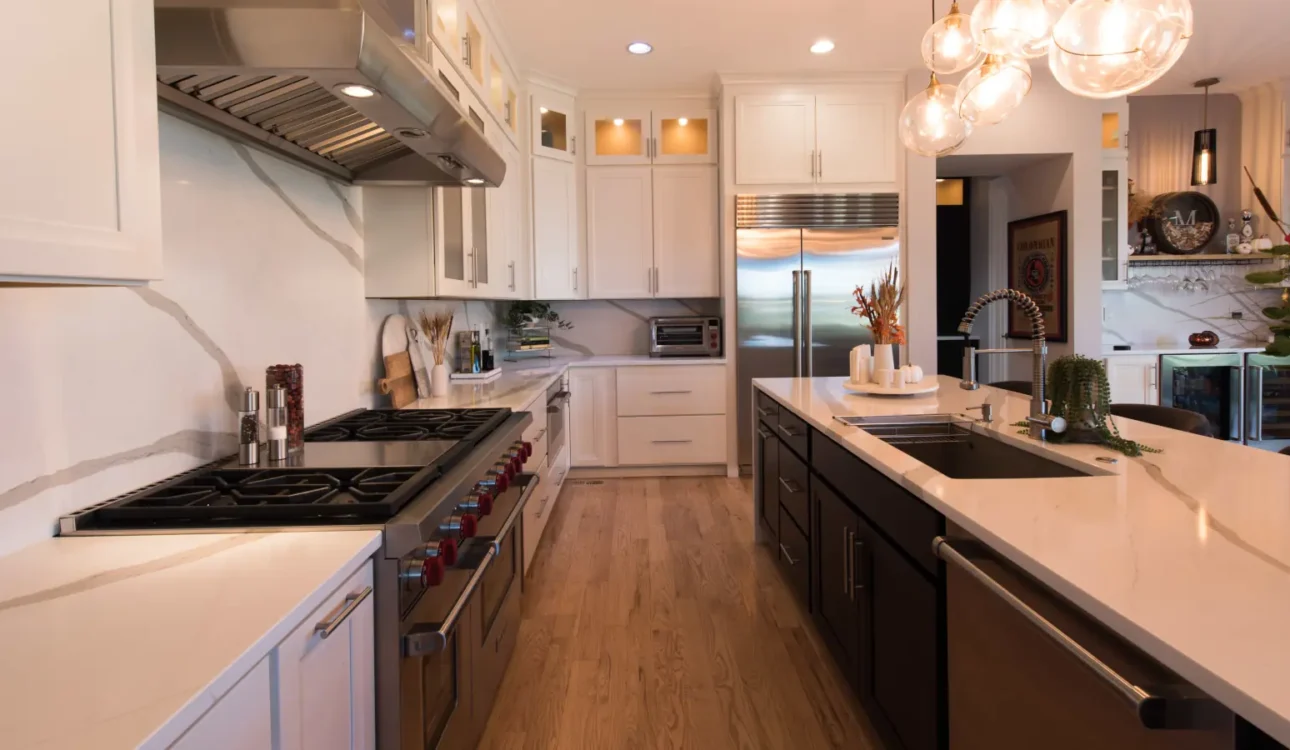
Why Your Denver Remodel Costs More Than Your Cousin’s in Phoenix (And What You Can Actually Control)
Homeowners are often surprised the moment they start researching Denver remodeling costs, especially if they compare notes with family or friends living in warmer or less regulated markets. The first question is always the same: why does a Denver kitchen remodel or bathroom remodel in Denver project seem to cost more than similar work in other states. The truth is that our region has a very specific blend of climate, permitting, demand and logistical factors that influence prices in ways most homeowners never see. Understanding these variables is the foundation of making smart decisions, controlling your remodeling budget Denver, and ensuring you invest wisely without sacrificing quality.
Fall is a popular time for home projects, especially as cooler weather inspires people to refresh their spaces before the holiday season. Warm lighting, improved layouts, upgraded cabinets and new countertops all contribute to a more functional and comfortable home. Yet as demand rises, contractor schedules tighten and Colorado remodeling prices shift accordingly, often influencing the cost of a custom renovation in ways homeowners do not expect. This creates a unique environment that differs from cities like Phoenix, Houston or Atlanta. This blog breaks down the real cost drivers behind Denver remodeling costs so you can approach your project with clarity, confidence and a strategy that keeps your budget in your control.

Table of Contents
The Hidden Cost Drivers Behind Denver Remodeling Costs
Most homeowners look at a contractor estimate and assume materials and labor are the only variables. In reality, Denver remodeling costs are shaped by a layered system of environmental, regulatory and logistical influences. These often include permitting timelines, supply chain challenges, weather restrictions and local skilled labor availability.
1. Variations in Permitting Across Municipalities
Even within the Denver metro area, the permitting process differs from one city to another. Denver, Lakewood and Aurora each have their own review timelines, documentation requirements and inspection structures. If your project involves structural changes, plumbing modifications or electrical work, the length of the permitting queue directly affects your schedule and total Denver contractor costs. A longer wait means delayed start dates and shifting labor calendars.
For example, Denver’s permit process and queue details can be reviewed directly at the Community Planning and Development site:
Denver Permit Process Link
If your cousin in Phoenix gets a permit approved in a few days while yours takes a few weeks, the entire cost chain adjusts. Denver remodeling costs reflect these realities because contractors must manage schedules carefully, anticipate delays and absorb indirect costs associated with waiting periods.
2. The Freeze Thaw Cycle and Its Impact on Construction
Colorado’s climate has distinct effects on remodeling projects. The freeze thaw cycle is especially important because it affects plumbing, concrete work, foundations and exterior transitions. Even indoor remodeling work may be impacted because certain adhesives, flooring materials and paints have ideal temperature ranges.
Climate data from Colorado State University illustrates these regional patterns and pressures:
https://climate.colostate.edu/
When temperatures fluctuate dramatically over short periods, installers must adjust sequencing, timing and curing procedures. These adjustments influence both labor duration and access to materials rated for colder climates. Projects in Phoenix typically avoid these seasonal challenges, which is another reason Denver remodeling costs differ from other markets.
3. Delivery Logistics and the Mountain Region Factor
Material delivery inside Colorado has its own quirks. Many suppliers informally reference what locals call the mountain tax. This is not an official tax but rather a logistical premium tied to transportation, freight challenges and distance from major coastal distribution hubs. Cabinets, granite slabs, appliances and windows often take longer to arrive and may include higher freight surcharges.
If materials for a Denver kitchen remodel arrive two weeks later than expected, contractors must adjust timelines, reschedule crews and potentially store materials off site. These workflow disruptions trickle into the overall Denver remodeling costs. Meanwhile, cities closer to distribution centers, including Phoenix, often experience fewer delays and lower logistical fees.
4. Contractor Demand and Colorado’s Shorter Building Season
Despite being a major metropolitan area, Denver has a seasonal construction rhythm. The busiest period typically spans late spring through early fall. Homeowners want work completed before winter and contractors pack their schedules to match demand. High demand equals higher labor pricing and tighter availability.
Colorado remodeling prices naturally rise during peak months because general contractors, cabinet shops, countertop fabricators and trades like plumbing and electrical operate at full capacity. In warmer states where construction runs year round without major slowdowns, labor availability tends to be more stable.
5. Older Homes and Tight Lots Create Additional Costs
Many Denver neighborhoods feature homes built between the 1920s and 1970s. Although the architecture is charming, older mechanical systems, narrow hallways, brick structures and restricted lot access often complicate remodels. Bringing materials in and out of tight spaces takes more time. Updating wiring, plumbing or ductwork requires careful planning. Load bearing walls may not align with modern open concept designs.
These features often add labor hours and specialized expertise to Denver remodeling costs. In contrast, newer homes in Sun Belt cities are typically easier to modify with more predictable construction layouts.

What You Can Actually Control in Your Remodeling Budget
Although Denver remodeling costs reflect the realities of our region, homeowners still have significant control over the final number. A smart strategy can reduce waste, optimize labor and avoid unnecessary delays. Here are the most effective ways to take control of your remodeling budget Denver without compromising quality.
1. Choose Locally Stocked Materials
One of the fastest ways to reduce delays and freight fees is to select cabinets, countertops, flooring and fixtures available from local distributors. When products are already in Denver warehouses, contractors can begin work sooner and avoid the mountain tax associated with long distance freight.
This is especially valuable for a Denver kitchen remodel because cabinets are typically the longest lead item. Selecting in stock cabinet lines or popular quartz colors means you avoid waiting weeks for delivery.
2. Align Your Project With Contractor Availability
Homeowners often assume they must start a remodel during late spring or summer. However, scheduling during off peak months can be financially advantageous. When contractors have more availability, labor pricing stabilizes and Denver remodeling costs become more flexible, especially on projects where the size of the renovation or planned additions sq ft changes the scope of work.
For example, fall and winter remodeling can be ideal for interior projects like bathroom remodel Denver upgrades, since weather plays less of a factor indoors. Many homeowners secure better pricing by simply shifting project dates outside the busiest months.
3. Phase Your Remodel to Spread Out Costs
Large full home renovations can strain a budget upfront. Instead, consider phasing your project. Start with the kitchen, then move to bathrooms or flooring later. This gives you time to prepare financially while ensuring that each stage receives proper attention.
Phasing is especially effective when paired with accurate data from national remodeling studies, such as those available through the National Kitchen and Bath Association:
https://nkba.org/research
These studies provide cost expectations that help plan which parts of the home to tackle first.
4. Incorporate Energy Efficient Improvements
Energy efficiency upgrades can offset part of your long term remodel expenses by reducing monthly utility bills. The Department of Energy outlines numerous home improvement strategies that can cut energy use while increasing comfort:
https://www.energy.gov/energysaver/energy-efficient-home-improvements
When integrated into a remodel, insulation upgrades, LED lighting, high efficiency appliances and improved windows raise the value of your home and align with the expectations set by Colorado remodeling prices.
5. Choose a Contractor With Transparent Pricing
Not all Denver contractor costs are created equal. Transparency is essential. When contractors outline each cost driver clearly, you avoid surprise add ons later. This includes detailed breakdowns for labor, materials, freight, design and installation.
Many homeowners also consult BBB guidance before selecting a contractor:
https://www.bbb.org/article/news-releases/23466-bbb-tip-hiring-a-contractor
A contractor who hides numbers almost always inflates costs later. By contrast, clearly documented pricing allows you to track how your decisions affect total Denver remodeling costs from day one.
6. Review Local and National Cost vs Value Data
Each year, Remodeling Magazine publishes a Cost vs Value report that evaluates returns on common home upgrades across U.S. cities:
https://www.remodeling.hw.net/cost-vs-value/2024/
The Denver data is particularly useful for determining which improvements deliver the best long term value. For example, midrange kitchen remodels often retain more value than upscale versions because they provide strong functionality without excessive customization. This information is vital when building a remodeling budget Denver that prioritizes both comfort and equity growth.

Understanding the Real Differences Between Denver and Phoenix
It is natural to compare your project with similar remodels in other states. However, the pricing gap is rarely tied to any one factor. Instead, Denver remodeling costs reflect a combination of variables that stack together.
Here is how Denver typically differs from Phoenix:
Climate
Phoenix has mild winters with fewer temperature fluctuations. This means longer working seasons and fewer delays. Denver labor must navigate time windows for concrete curing, roofing, exterior sealing and other weather sensitive tasks.
Logistics
Phoenix is closer to major national distribution hubs. Denver suppliers pay higher freight, which becomes part of Colorado remodeling prices.
Local Building Codes
Denver has stricter code requirements in many areas, especially for electrical, plumbing and energy efficiency upgrades. Code compliance increases labor hours.
Market Demand
Denver remodeling demand remains high in both urban and suburban neighborhoods. As population increases, contractor schedules tighten and pricing reflects competitive demand.
Home Age and Layout
Phoenix has more newer home stock which is easier and faster to remodel. Denver’s aging housing inventory adds complexity, creating another layer within Denver remodeling costs.
Understanding these differences removes the mystery and helps you focus on what you can actually control rather than stressing about why another state may have lower project bids.
How to Plan Your Remodel With Confidence
Denver homeowners who plan strategically almost always achieve a smoother experience, a more predictable budget and a better finished result. Here are key steps to build a remodel plan that respects both cost and quality.
1. Start With a Clear Scope
Before collecting quotes, document exactly what you want:
• Cabinet style and finish
• Countertop material
• Appliance brand level
• Flooring type
• Plumbing fixture styles
• Electrical upgrades
• Layout changes
Unclear scopes lead to unclear Denver remodeling costs. A detailed scope ensures every contractor bids on the same expectations.
2. Request Line Item Estimates
A trustworthy contractor provides itemized breakdowns. This lets you identify where your money is going and which items offer opportunities to adjust. It also prevents the surprise of mid project price shifts.
3. Confirm Lead Times Before Signing
Ask suppliers for cabinet, countertop, flooring and appliance lead times. If a product requires custom ordering, request alternatives that are in stock. Your contractor should help you evaluate both options.
4. Build a Contingency Buffer
Older Denver homes often reveal hidden issues once walls are opened. A buffer of 10 to 20 percent protects your remodeling budget Denver from unexpected electrical, plumbing or structural updates.
5. Prioritize Function Over Trend
Trends change quickly. Functionality lasts decades. A well designed Denver kitchen remodel or bathroom remodel Denver project should focus on improving your daily life first and aesthetic style second. This approach keeps your investment grounded and reduces the chance of overspending.

Why Choose Elite Cabinetry & Granite
The Denver market can be difficult to navigate without a contractor who values transparency, communication and precision craftsmanship. Elite Cabinetry & Granite stands apart because we combine design expertise with practical construction knowledge that reflects real Denver remodeling costs rather than idealized national averages.
Our team focuses on:
• Clear cost breakdowns that show exactly where money goes
• Honest expectations about timelines and seasonal factors
• Access to locally stocked materials that reduce delays
• Custom cabinetry and fabrication options that fit your vision
• Expert coordination with electricians, plumbers and installers
• Decades of experience with older Colorado homes
• A client first communication approach
When you partner with Elite, your project is guided by professionals who understand the full landscape of Denver contractor costs and know how to manage them responsibly.